
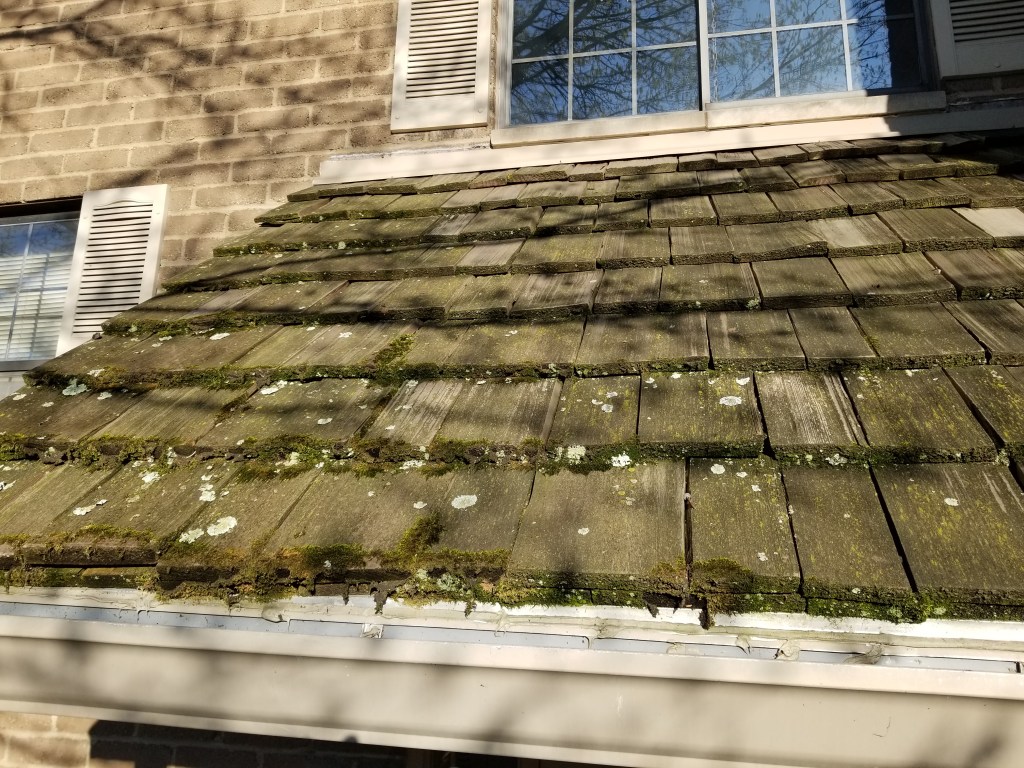
If you’ve had your roof cleaned only to see green moss begin returning months or years later, you may be wondering: Why does roof moss keep coming back?
The short answer is that roof cleaning removes existing moss, but it doesn’t change the environmental conditions that allow new moss to grow.
Moss thrives in damp, shaded environments, and Pittsburgh’s frequent rainfall, humidity, mature trees, and cloudy weather can create ideal conditions for moss growth on residential roofs. Once airborne spores land on a roof, they can establish themselves wherever moisture remains trapped.
The good news is that recurring moss doesn’t necessarily mean you need a new roof. Professional roof washing can remove existing organic growth and help homeowners develop a maintenance plan to reduce future buildup.
Quick Answer: Why Does Roof Moss Keep Coming Back?
Roof moss keeps coming back because the conditions that caused it in the first place often remain after cleaning. Shade, moisture, poor sunlight exposure, nearby trees, and airborne spores can all contribute to recurring moss growth.
Professional roof cleaning removes existing moss and other organic growth, but keeping a roof cleaner for longer may require periodic maintenance and addressing environmental factors around the home.
What Causes Moss to Grow on a Roof?
Moss needs several basic conditions to thrive.
Moisture
Moss grows particularly well when a roof stays damp for extended periods.
Frequent rain and humid conditions provide plenty of moisture throughout the year.
Shade
Moss generally prefers areas that receive limited direct sunlight.
This is one reason moss is often more noticeable on:
- North-facing roof slopes
- Roof sections beneath trees
- Areas shaded by neighboring structures
- Roofs surrounded by dense landscaping
Organic Debris
Leaves, pine needles, twigs, and other debris can accumulate on a roof and hold moisture against shingles.
This creates an even more favorable environment for moss.
Airborne Spores
Moss reproduces through spores that can travel through the air.
Cleaning the roof removes established growth, but new spores can eventually land on the surface.
That means even a professionally cleaned roof isn’t permanently immune to moss.
Why Is Roof Moss So Common Around Pittsburgh?
Pittsburgh and Western Pennsylvania provide many of the conditions moss prefers.
Homes throughout Allegheny, Beaver, Washington, and Westmoreland Counties can experience:
- Frequent rainfall
- Humid summer weather
- Heavy tree coverage
- Shaded neighborhoods
- Long periods of damp weather
- Leaf and organic debris accumulation
A home located beneath a mature tree canopy may develop moss much faster than a home with a sunny, open roof.
This is particularly important for homeowners in wooded and heavily landscaped communities throughout the greater Pittsburgh area.
Does Moss Damage Asphalt Shingles?
Yes, persistent moss growth can contribute to premature roof deterioration.
Moss doesn’t simply sit on top of shingles.
As it grows, moss can:
- Trap moisture against the roof
- Work its way beneath shingle edges
- Lift or separate shingles
- Contribute to deterioration
- Make the roof more vulnerable to weather
A small amount of moss may not mean your roof is failing, but extensive or recurring growth deserves attention.
Is Roof Moss the Same as Roof Algae?
No.
Moss and algae are different organisms and can affect your roof in different ways.
Algae
Algae commonly appears as:
- Black streaks
- Dark stains
- Discolored areas
The black streaks discussed in our article “Why Is My Roof Turning Black?“ are commonly associated with roof algae.
Moss
Moss is typically:
- Green
- Fuzzy or cushion-like
- Raised above the shingle surface
- More noticeable in damp, shaded areas
A roof can have algae, moss, lichen, or a combination of all three.
Can You Pressure Wash Moss Off a Roof?
Pressure washing is not recommended for asphalt shingles.
Although high-pressure water may appear to remove moss quickly, it can also damage the roofing material.
High pressure can:
- Dislodge protective granules
- Damage shingle surfaces
- Lift shingles
- Force water underneath roofing materials
- Potentially contribute to leaks
A roof may look clean immediately after aggressive pressure washing while suffering damage that isn’t obvious from the ground.
For this reason, professional roof cleaning generally relies on soft washing and low-pressure application rather than high-pressure water.
How Does Professional Roof Washing Remove Moss?
Professional roof washing uses specialized cleaning solutions and low-pressure application to treat organic growth.
A typical process involves:
1. Property Inspection
The roof and surrounding property are evaluated to identify:
- Moss
- Algae
- Lichen
- Roof condition
- Landscaping
- Potential drainage concerns
2. Protecting Surrounding Property
Landscaping and sensitive areas around the home should be protected before cleaning begins.
3. Applying the Cleaning Solution
A professional cleaning solution is applied to the affected areas.
The solution works to break down and kill organic growth.
4. Allowing the Treatment to Work
The cleaning solution needs time to work rather than being immediately blasted away with high pressure.
5. Low-Pressure Rinsing
The roof is rinsed using appropriate pressure and technique for the roofing material.
6. Follow-Up Inspection
The roof is inspected to make sure the treatment has addressed the visible growth.
Does Roof Cleaning Prevent Moss From Coming Back?
No roof cleaning method can guarantee that moss will never return.
The environmental conditions that encourage moss growth often remain after cleaning.
However, professional roof cleaning can remove established growth and give homeowners a clean starting point.
You can also reduce the likelihood of recurring moss by addressing conditions around the roof.
How Can You Keep Moss From Coming Back?
Trim Overhanging Tree Branches
Trees provide shade and can drop leaves and debris onto your roof.
Where practical, trimming branches can increase sunlight and improve airflow around the roof.
Keep Gutters Clean
Clogged gutters can interfere with proper drainage.
Keeping gutters clear helps rainwater move away from the roof and foundation as intended.
Remove Accumulated Debris
Leaves and branches can trap moisture on roof surfaces.
If you notice significant debris accumulation, have the roof evaluated.
Improve Sunlight and Airflow
You may not be able to eliminate shade completely, but reducing unnecessary shade and improving airflow can make conditions less favorable for moss.
Schedule Periodic Roof Inspections
Regular inspections can identify small areas of moss before they become extensive.
What About Zinc or Copper Strips?
Metal strips are sometimes used as part of a roof-moss management strategy.
When rainwater flows over certain metals, it can carry compounds down the roof that inhibit moss and algae growth.
However, these products aren’t a universal solution and should be evaluated carefully for the specific roofing material and installation.
They also don’t eliminate the underlying causes of moisture and shade.
If you’re considering a preventative treatment, discuss the options with a qualified roofing or exterior-cleaning professional.
Should You Clean Moss Yourself?
Roof cleaning can be dangerous, particularly on steep or multi-story homes.
DIY cleaning also creates risks of:
- Falling
- Damaging shingles
- Using excessive pressure
- Applying the wrong cleaning solution
- Damaging landscaping
- Inadequately removing organic growth
If moss has taken hold on your roof, professional cleaning is generally a safer approach.
How Often Should a Mossy Roof Be Cleaned?
There isn’t a universal schedule for every roof.
A professionally cleaned roof may remain relatively clean for several years, but homes with heavy shade and mature trees may experience recurring growth sooner.
Instead of cleaning strictly according to a calendar, monitor your roof for:
- New moss
- Black algae streaks
- Lichen
- Excessive debris
- Damp areas
- Shingle lifting
If you see recurring growth, it’s a good time to schedule an evaluation.
Moss vs. Roof Replacement: Do You Need a New Roof?
Seeing moss on your roof doesn’t automatically mean it’s time for replacement.
The condition of the shingles matters more than the presence of moss alone.
A professional evaluation can help determine whether the roof appears suitable for cleaning or whether there are signs of significant deterioration that warrant attention from a roofing professional.
Cleaning and roof replacement are not interchangeable services. If the roofing material is substantially damaged or near the end of its expected service life, cleaning won’t solve those underlying problems.
Frequently Asked Questions
Why does moss grow on roofs?
Moss grows on roofs when moisture, shade, and organic debris create favorable growing conditions. Pittsburgh’s humid, rainy climate and mature trees can make these conditions particularly common.
Does roof moss mean I need a new roof?
Not necessarily. Moss can occur on roofs that still have useful service life remaining. The overall condition and age of the roofing material should be evaluated.
Can I pressure wash moss off my roof?
Pressure washing asphalt shingles is not recommended because high-pressure water can damage shingles and remove protective granules. Professional roof washing generally uses low-pressure soft washing techniques.
How do I stop moss from growing on my roof?
You can’t always prevent moss completely, but you can reduce favorable conditions by controlling shade where practical, keeping gutters clear, removing debris, improving airflow, and scheduling periodic roof maintenance.
Will roof cleaning remove moss permanently?
No. Professional cleaning removes existing growth, but moss can return when environmental conditions remain favorable.
Is roof moss worse in shaded areas?
Generally, yes. Shaded roof sections dry more slowly, which creates conditions that can encourage moss growth.
Is roof cleaning safe for asphalt shingles?
Professional soft washing can be an appropriate method for cleaning asphalt shingles when performed using suitable cleaning solutions and low-pressure techniques.
Don’t Let Recurring Moss Become a Bigger Roof Problem
If moss keeps returning to your Pittsburgh-area roof, the problem isn’t necessarily that the previous cleaning failed.
The bigger issue may be the environment surrounding your roof.
Shade, moisture, tree cover, and organic debris can continue creating the conditions moss needs to grow.
Professional roof washing can remove existing moss, algae, and other organic growth while giving you a clean starting point for ongoing roof maintenance.
So Clean Solutions provides professional exterior cleaning services throughout Pittsburgh, Allegheny County, Beaver County, Washington County, and Westmoreland County.
Ready to Get the Moss Off Your Roof?
Don’t wait until moss becomes extensive or begins lifting your shingles.
Contact So Clean Solutions for a free roof washing estimate. We’ll evaluate your roof, explain the cleaning options appropriate for your property, and use professional soft washing techniques designed to safely remove organic growth without the damaging pressure associated with traditional pressure washing.
Get your roof looking clean again—and start with a maintenance plan designed for your Pittsburgh-area home.


Leave a comment