What Pittsburgh-Area Homeowners Should Know About Roof-Washing Chemistry and Neutralizing Rinses
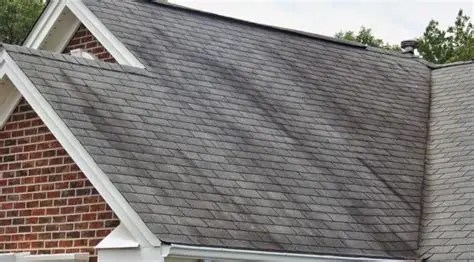
Dark streaks on your roof can make an otherwise well-maintained home look older and less attractive. Algae, moss, and other organic growth can accumulate over time, particularly on roof areas exposed to moisture and shade.
Professional roof washing can help address this buildup, but the cleaning process involves more than improving the roof’s appearance. The cleaning solution, application method, surrounding materials, runoff, and finishing procedures all matter.
At So Clean Solutions, we use a sodium hypochlorite neutralizing solution as a post-wash finishing rinse during our roof-washing services. This step is intended to help manage residual sodium hypochlorite as part of our broader approach to exterior cleaning.
For homeowners throughout Pittsburgh, Allegheny County, Beaver County, Westmoreland County, and Washington County, understanding the role of a neutralizing rinse can help you make a more informed decision when choosing a roof-washing contractor.
In this article, we’ll explain what happens during a professional roof wash, how a neutralizing rinse fits into the process, and what homeowners should know about roof materials, runoff, and property care.
Why Does Roof Washing Require a Thoughtful Cleaning Process?
Roofs are exposed to rain, changing temperatures, tree debris, airborne particles, and biological growth. Over time, these conditions can contribute to dark streaks, algae, moss, and other visible buildup.
The appropriate cleaning method depends on the roofing material, its condition, the type of growth present, and the manufacturer’s recommendations.
For many asphalt-shingle roofs, professional soft washing uses a suitable cleaning solution applied at low pressure rather than relying on aggressive pressure to remove growth mechanically. Other roofing materials may require different procedures.
A properly planned roof-washing process should consider:
- The type and condition of the roofing material.
- The appropriate cleaning solution and concentration.
- Application methods and exposure conditions.
- Nearby metal components, gutters, and other exterior surfaces.
- Runoff pathways and surrounding landscaping.
- The finishing and rinsing procedures specified for the products being used.
The objective is to select an appropriate cleaning method for the roof while managing the cleaning chemistry and surrounding property responsibly.
What Is a Neutralizing Rinse After Roof Washing?
A neutralizing rinse is a solution formulated to react chemically with a particular residual substance.
In many professional roof-washing applications, sodium hypochlorite is used as part of the cleaning treatment. Sodium hypochlorite is commonly known as bleach and is used in appropriate formulations to address organic growth.
After the main treatment, residual sodium hypochlorite may remain on treated surfaces or be present in runoff areas. A compatible neutralizer is designed to react with that residual chemical when applied under the conditions specified by the product manufacturer.
This is different from a conventional water rinse.
Water can dilute and physically remove cleaning residues. A neutralizer is intended to perform a specific chemical reaction. Depending on the products and the roof-washing procedure, water rinsing, neutralization, or both may be appropriate.
At So Clean Solutions, we use a sodium hypochlorite neutralizing solution as a post-wash finishing rinse for our roof-washing services.
The purpose is to incorporate an additional chemistry-specific step into the cleaning process—not to replace appropriate application methods, material compatibility checks, runoff management, or other necessary precautions.
Four Reasons the Finishing Process Matters During Roof Washing
1. Managing residual cleaning chemistry
A roof-washing treatment may use sodium hypochlorite to address organic growth. After the treatment, managing residual cleaning chemistry is an important consideration.
A compatible neutralizer can help manage residual sodium hypochlorite when used according to its instructions.
The correct approach depends on the cleaning solution, the neutralizer selected, the application conditions, and the manufacturer’s directions. A neutralizer intended for one chemical should not be assumed to neutralize every other ingredient in a cleaning mixture.
This is why understanding the products used on a property matters.
2. Considering gutters, flashing, and metal components
A roof is rarely made up of one material alone.
Depending on the property, it may include asphalt shingles, metal flashing, gutters, fasteners, vents, skylights, and other components. These materials may have different compatibility considerations when exposed to cleaning chemicals.
A neutralizing rinse should not be treated as a guarantee against corrosion, discoloration, or other damage. Appropriate chemical selection, controlled application, material-specific precautions, and the required rinsing procedures remain essential.
A professional contractor should consider these factors when planning the work rather than assuming that every roof can be cleaned in exactly the same way.
3. Managing runoff around the property
Roof-washing solution and rinse water may travel toward roof edges, gutters, downspouts, walkways, and landscaped areas.
The potential for exposure depends on the roof design, application method, amount of solution used, drainage pathways, and weather conditions.
A neutralizer may help manage residual sodium hypochlorite in runoff-related applications for which the product is specifically intended. However, it does not replace runoff controls or guarantee that surrounding areas will be unaffected.
A responsible roof-washing plan should account for drainage, nearby plants, sensitive surfaces, and the manufacturer’s instructions for both the cleaning product and neutralizer.
4. Completing the job with a defined procedure
The appearance of a clean roof is only one part of the service.
A professional process should account for preparation, chemical application, surrounding property, and the appropriate finishing procedure. Where a neutralizer is suitable, it can form part of that procedure.
For homeowners comparing roof-washing estimates, asking about the finishing process provides additional insight into how the contractor approaches the job.
It is worth asking what cleaning chemistry will be used, how residual chemicals are managed, and what precautions are taken around the rest of the property.
Does a Neutralizing Rinse Protect Your Roof From Damage?
A neutralizing rinse should not be considered a universal roof-protection product.
Its intended function is to react with a particular residual chemical. It does not automatically protect every roofing material, reverse existing damage, or guarantee against corrosion or discoloration.
Roof condition, cleaning chemistry, concentration, contact conditions, and application methods all influence the appropriate procedure.
For example, a roof with aging shingles, delicate flashing, or previously damaged components may require additional evaluation before cleaning. The suitability of the cleaning method should be established before work begins.
The best approach is to combine an appropriate cleaning method with product-specific instructions, material compatibility considerations, runoff management, and suitable finishing steps.
Is a Neutralizing Rinse the Same as Rinsing a Roof With Water?
No. The two processes serve different functions.
A water rinse helps dilute and physically remove residues.
A chemical neutralizer is formulated to react with a specific substance, such as residual sodium hypochlorite.
Neither should automatically be treated as a universal replacement for the other. Some products specify a particular sequence of application and rinsing, while other roof-washing procedures may differ.
It is also important to distinguish a neutralizer from a surface conditioner or protective treatment. Products marketed for these different purposes are not necessarily interchangeable.
The appropriate procedure should follow the product manufacturer’s instructions and the requirements of the specific roof-washing application.
What About Landscaping, Plants, and Pets?
Roof washing can involve areas well beyond the roof itself. Shrubs, flower beds, lawns, outdoor living areas, and other property features may be near the potential runoff path.
A compatible neutralizer may help manage residual sodium hypochlorite in applications for which it is intended, but it cannot guarantee that plants or other surrounding areas will be unharmed.
Property protection requires a broader set of precautions, which may include:
- Evaluating vegetation and sensitive areas before work begins.
- Identifying drainage pathways and potential runoff exposure.
- Using appropriate application methods and chemical concentrations.
- Pre-wetting and watering vegetation where appropriate.
- Managing runoff and avoiding unintended chemical discharge.
- Following all applicable product instructions.
- Performing necessary rinsing and final checks.
Pet owners should also follow the cleaning contractor’s guidance about keeping animals away from active work areas, cleaning solutions, and potentially contaminated runoff until the area has been appropriately managed.
No single rinse product eliminates the need for these precautions.
How Often Should You Have Your Roof Washed?
There is no universal schedule that suits every roof.
The need for roof cleaning depends on factors such as roofing material, the amount of organic growth, nearby trees, shade, moisture exposure, roof condition, and manufacturer recommendations.
Some roofs may develop visible algae streaks sooner than others. Moss and other growth may also require different considerations from ordinary dirt or discoloration.
Before scheduling a cleaning, consider having the roof evaluated to determine whether washing is appropriate and which method is suitable for its condition.
Avoid treating roof washing as an automatic annual requirement. The objective is to address a genuine maintenance need using a method appropriate for the roof.
What Should You Ask Before Hiring a Roof-Washing Company in Pittsburgh?
Before hiring a contractor, ask questions that help you understand the proposed cleaning process.
What cleaning method do you recommend for my roofing material?
The answer should reflect the roof’s material and condition, rather than assuming that one method works for every surface.
What cleaning chemistry will you use?
Ask what the solution is designed to address and how it will be applied.
Do you use a sodium hypochlorite neutralizer?
If so, ask what the product is intended to neutralize and how it fits into the finishing process.
How do you manage roof runoff?
The contractor should consider gutters, downspouts, landscaping, drainage, and other areas that may be exposed.
How do you account for metal flashing and other components?
Ask how the cleaning procedure addresses the materials present on your roof.
What precautions do you take to protect landscaping?
Look for an explanation of the overall procedure rather than a guarantee that one product prevents every type of damage.
Is roof washing appropriate for my roof’s current condition?
A responsible contractor should consider whether the roof is suitable for the proposed cleaning method before proceeding.
These questions can help you compare estimates on more than price and expected appearance.
The So Clean Solutions Approach to Roof Washing
So Clean Solutions provides exterior cleaning services for homeowners and businesses in Pittsburgh and surrounding southwestern Pennsylvania communities.
Our roof-washing process incorporates a sodium hypochlorite neutralizing solution as a post-wash finishing rinse. This step is designed to help manage residual cleaning chemistry as part of the overall procedure.
We also recognize that each property presents its own considerations. Roofing material, roof condition, nearby metal components, drainage, landscaping, and the specific cleaning products used all matter when planning an appropriate cleaning process.
The neutralizing rinse is one component of that process, not a substitute for suitable chemical application, runoff management, material-specific precautions, or any required rinsing.
Whether your roof has developed dark algae streaks or you are evaluating options for exterior maintenance, we can discuss your property’s needs and help you determine the appropriate next step.
Learn more about our soft-washing services.
Frequently Asked Questions About Roof Washing and Neutralizing Rinses
What is a neutralizing rinse used for after roof washing?
A compatible neutralizing rinse is formulated to react with a specific residual chemical. When sodium hypochlorite is used in roof washing, an appropriate neutralizer can help manage residual sodium hypochlorite when applied according to the product’s instructions.
Does every roof wash require a neutralizing rinse?
Not every roof-washing procedure is identical. Whether neutralization is appropriate depends on the cleaning chemistry, product instructions, roofing material, and application conditions.
Can a neutralizing rinse prevent roof damage?
No universal guarantee can be made. A neutralizer is intended to react with a specific chemical residue; it does not guarantee protection against damage, corrosion, or discoloration. Appropriate cleaning methods and material-specific precautions remain important.
Does a neutralizing rinse protect landscaping during roof washing?
It may help manage residual sodium hypochlorite in applications for which the product is intended. It does not guarantee plant safety or replace appropriate vegetation protection and runoff management.
Is a neutralizing rinse better than water?
They serve different purposes. Water dilutes and physically removes residues, while a neutralizer is formulated to react with a particular substance. The appropriate procedure depends on the products and their instructions.
Does So Clean Solutions use a neutralizing rinse for roof washing?
Yes. So Clean Solutions uses a sodium hypochlorite neutralizing solution as a post-wash finishing rinse during roof washing. It is one part of our broader cleaning procedure.
How much does roof washing cost in Pittsburgh?
Pricing depends on factors such as roof size, material, pitch, accessibility, condition, and the scope of work. Requesting an estimate based on your particular roof is the best way to determine the cost.
Request a Roof-Washing Estimate From So Clean Solutions
Dark roof streaks and organic buildup can detract from the appearance of your home. Choosing an appropriate cleaning method and understanding the finishing procedure can help you make a more informed maintenance decision.
So Clean Solutions provides professional roof washing and exterior cleaning throughout Pittsburgh and surrounding southwestern Pennsylvania communities.
Ready to discuss your roof’s cleaning needs?
Call 412-513-3751 or visit getsoclean.com to request an estimate.
Let So Clean Solutions help you evaluate the right approach for your property.


Leave a Reply