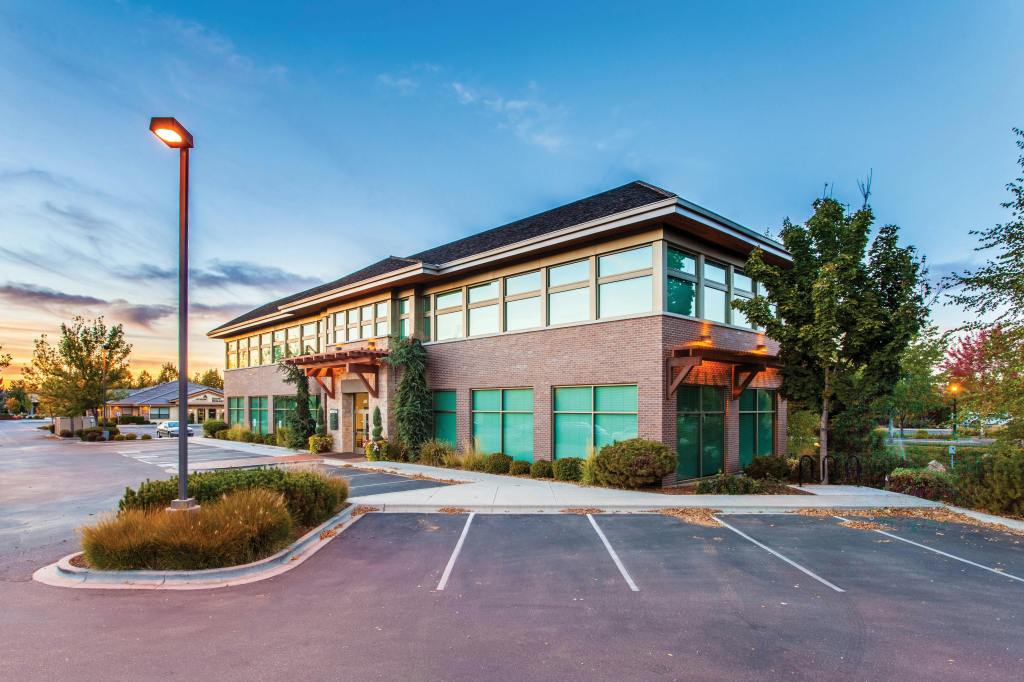
For a commercial property, appearance matters.
Customers, tenants, employees, prospective clients, and visitors form impressions of a business long before they walk through the front door. Dirty sidewalks, stained concrete, algae-covered walls, grimy entryways, and neglected exterior surfaces can make a property appear poorly maintained—even when the business itself is well managed.
One of the easiest ways to keep a commercial property looking professional is to establish a regular exterior cleaning schedule.
But how often should a commercial property be pressure washed?
Quick Answer: How Often Should a Commercial Property Be Pressure Washed?
There is no universal schedule for every commercial property.
Many commercial properties benefit from professional exterior cleaning at least once or twice per year, while high-traffic properties, restaurants, retail locations, medical facilities, and properties surrounded by trees may need cleaning more frequently.
The ideal schedule depends on:
- Type of business
- Amount of foot traffic
- Type of exterior surfaces
- Weather exposure
- Tree coverage
- Shade and moisture
- Amount of dirt and organic growth
- Customer expectations
- Property-management requirements
- Location and surrounding environment
The goal isn’t simply to pressure wash on a fixed schedule.
The goal is to maintain a clean, professional property before buildup becomes difficult or expensive to address.
Why Commercial Exterior Cleaning Matters
Commercial properties experience more wear and exposure than many residential properties.
Customers and employees may walk across the same sidewalks hundreds or thousands of times each month.
Vehicles may track dirt, oil, salt, and other contaminants onto parking areas.
Rain and weather can leave additional grime on exterior surfaces.
Trees can deposit leaves and organic material.
Shade and moisture can encourage algae and mildew growth.
Over time, these factors can make a property look neglected.
Regular exterior cleaning can help maintain:
- Curb appeal
- Customer impressions
- Property appearance
- Walkway cleanliness
- Building entrances
- Parking areas
- Exterior walls
- Storefronts
- Common areas
For property managers, routine cleaning can also become part of a larger preventative-maintenance program.
Commercial Properties That May Need Frequent Cleaning
Not every commercial property gets dirty at the same rate.
Some businesses naturally require more frequent exterior cleaning.
Restaurants
Restaurants can experience significant exterior buildup because of:
- Food-related grease
- Dumpster areas
- Heavy foot traffic
- Delivery activity
- Parking-lot traffic
- Spills
- Organic debris
Restaurant entrances, sidewalks, patios, dumpster pads, and other high-traffic areas may require more frequent cleaning.
Retail Stores
Retail properties depend heavily on appearance.
Customers notice:
- Dirty sidewalks
- Stained entrances
- Grimy storefronts
- Dirty concrete
- Trash around the property
- Algae and mildew
Regular cleaning can help keep the property looking inviting.
Medical and Professional Offices
Medical offices, dental practices, financial offices, and other professional businesses often want their properties to communicate cleanliness and professionalism.
Exterior cleaning can be particularly important around:
- Main entrances
- Sidewalks
- Parking areas
- Waiting-area entrances
- Accessible entrances
Apartment and Multifamily Properties
Property managers have a unique challenge because exterior appearance affects both current residents and prospective tenants.
Common cleaning targets include:
- Sidewalks
- Entryways
- Breezeways
- Concrete
- Dumpster areas
- Clubhouse exteriors
- Pool decks
- Building siding
- Parking areas
Regular exterior cleaning can become part of a property’s annual maintenance plan.
Office Buildings
Office buildings may benefit from scheduled cleaning of:
- Sidewalks
- Building entrances
- Concrete
- Exterior walls
- Parking areas
- Loading areas
- Common areas
Cleaning before important events, property inspections, or leasing activity can also be worthwhile.
How Often Should Commercial Concrete Be Cleaned?
Concrete is one of the most visible surfaces on many commercial properties.
Depending on the property, cleaning may be appropriate once or twice per year, with additional service when heavy staining or organic growth develops.
Common contaminants include:
- Dirt
- Algae
- Moss
- Tire marks
- Oil
- Food and beverage spills
- Gum
- Salt residue
- General traffic grime
High-traffic areas may require more frequent attention than areas that receive little foot traffic.
Pay Particular Attention to Entrances
The main entrance is one of the most important areas to maintain.
Customers see it every time they visit.
A clean entrance can help reinforce the impression that the business cares about its property.
How Often Should Commercial Sidewalks Be Pressure Washed?
Sidewalks generally need more attention than low-traffic exterior surfaces.
For many businesses, one to four cleanings per year may be appropriate depending on traffic and environmental conditions.
More frequent cleaning may make sense for:
- Restaurants
- Shopping centers
- Grocery stores
- Medical facilities
- Apartment communities
- High-traffic retail properties
If sidewalks become slippery because of algae or other organic growth, cleaning should be addressed rather than waiting for the next scheduled service.
What About Commercial Building Siding?
Building siding may not need to be cleaned as frequently as sidewalks.
For many commercial buildings, annual or periodic cleaning can be sufficient.
However, buildings surrounded by trees or located in shaded, damp areas may develop algae, mildew, and dirt more quickly.
The appropriate cleaning method depends on the building material.
Vinyl, aluminum, painted surfaces, stucco, brick, and other materials should not automatically be treated with the same pressure or cleaning process.
Pressure Washing vs. Soft Washing for Commercial Properties
One of the most important considerations is understanding that commercial exterior cleaning doesn’t always mean high-pressure cleaning.
Different surfaces require different approaches.
Pressure washing
Pressure washing may be appropriate for durable surfaces such as:
- Concrete
- Some masonry
- Certain hardscape surfaces
Soft washing and low-pressure cleaning
Soft washing may be more appropriate for:
- Building siding
- Some painted surfaces
- Roofs
- Delicate exterior materials
- Surfaces where aggressive pressure could cause damage
The objective should always be:
Use the safest effective cleaning method for the surface.
Using excessive pressure simply because a surface is dirty can create unnecessary damage.
How Pittsburgh Weather Affects Commercial Cleaning
Commercial properties in the Pittsburgh area experience seasonal conditions that can influence exterior buildup.
Spring
Spring brings:
- Pollen
- Rain
- Mud
- Winter residue
- Organic growth
This can make spring a good time for a comprehensive exterior cleaning.
Summer
Summer brings increased:
- Foot traffic
- Outdoor dining
- Events
- Landscaping activity
- Humidity
Restaurants, shopping centers, and other high-traffic businesses may need additional cleaning.
Fall
Fall introduces:
- Leaves
- Wet organic debris
- Tree residue
- Increased moisture
Gutters, sidewalks, entrances, and drainage areas can require additional attention.
Winter
Winter introduces:
- Salt
- Slush
- Ice
- Road grime
- Freeze-thaw cycles
After winter, many commercial properties benefit from a thorough spring cleanup.
A Recommended Commercial Exterior Cleaning Schedule
There isn’t a single schedule that works for every business, but the following can be a useful starting point.
| Property/Area | Typical Starting Schedule |
|---|---|
| Main entrances | 2–4 times per year |
| High-traffic sidewalks | 2–4 times per year |
| Restaurant exterior areas | 2–4+ times per year |
| Parking areas | 1–2 times per year |
| Building siding | Annually or as needed |
| Commercial roofs | Inspect regularly; clean as needed |
| Dumpster pads | As needed / frequent |
| Apartment common areas | 1–2+ times per year |
| Low-traffic exterior concrete | Annually or as needed |
These are starting points rather than rigid requirements.
A property surrounded by mature trees may need more frequent cleaning than a similar property in an open area.
Signs Your Commercial Property Needs Cleaning
You don’t have to wait for your next scheduled cleaning if you notice:
- Green algae
- Black stains
- Moss
- Dirty concrete
- Oil stains
- Gum buildup
- Mud
- Heavy leaf accumulation
- Slippery sidewalks
- Dirty building entrances
- Grimy siding
- Visible mildew
- Salt residue
If customers notice the problem before management does, the property is probably overdue for attention.
Should You Clean Before or After Winter?
For many Pittsburgh businesses, both fall and spring cleaning can make sense.
Fall cleaning
Fall cleaning can address:
- Summer dirt
- Algae
- Leaves
- Organic debris
- Gutters
- Sidewalk buildup
Spring cleaning
Spring cleaning can address:
- Winter salt
- Slush residue
- Dirt
- Pollen
- Organic growth
- Winter grime
For high-traffic commercial properties, adding a spring and fall cleaning to the annual maintenance calendar can be an effective starting point.
Commercial Cleaning Before Selling or Leasing a Property
Exterior appearance becomes especially important when a commercial property is:
- Being listed for sale
- Being prepared for a new tenant
- Going through a property inspection
- Being photographed
- Preparing for an open house
- Undergoing renovations
Dirty concrete or stained building exteriors can make an otherwise well-maintained property look older than it is.
A professional exterior cleaning can be a relatively simple way to improve first impressions before marketing a property.
Property Managers: Build Exterior Cleaning Into Your Maintenance Plan
Property managers often benefit from treating exterior cleaning as preventative maintenance rather than an emergency service.
Instead of waiting for tenants or customers to complain about dirty sidewalks, establish a recurring schedule.
A property maintenance plan might include:
Spring
- Building wash
- Sidewalk cleaning
- Parking-area cleaning
- Window cleaning
- Gutter inspection
Summer
- High-traffic-area cleaning
- Restaurant or patio cleaning
- Spot cleaning
Fall
- Gutter cleaning
- Sidewalk cleaning
- Leaf and organic-debris removal
- Building inspection
Winter
- Monitor salt and grime buildup
- Address problem areas as weather permits
- Plan spring cleaning
The exact schedule should be adjusted based on the property.
How Much Does Commercial Pressure Washing Cost?
Commercial pressure washing prices vary considerably.
Pricing may depend on:
- Square footage
- Linear footage
- Surface type
- Condition
- Accessibility
- Number of buildings
- Amount of staining
- Cleaning method
- Water requirements
- Frequency of service
A recurring maintenance agreement may also be structured differently from a one-time cleaning.
For a property manager or business owner, the most useful estimate is one based on the actual property and the required scope of work.
How to Choose a Commercial Pressure Washing Company
Before hiring a contractor, ask:
Are they insured?
Commercial properties can involve significant liability exposure. Verify appropriate insurance coverage.
Do they understand different surfaces?
A company should know that concrete, siding, roofing, wood, and other materials may require different cleaning methods.
Can they work around your business?
Commercial cleaning may need to occur:
- Before opening
- After closing
- During low-traffic periods
- On weekends
- In phases
Do they protect surrounding property?
Landscaping, vehicles, doors, windows, signage, and other property should be considered during cleaning.
Can they provide recurring service?
For property managers, recurring scheduling can be much easier than repeatedly finding contractors when cleaning becomes necessary.
Commercial Exterior Cleaning in Pittsburgh
Pittsburgh-area commercial properties face many of the same environmental challenges as residential properties, but the consequences of a dirty exterior can be greater.
A dirty storefront can affect customer impressions.
A stained sidewalk can affect curb appeal.
A neglected apartment complex can affect tenant satisfaction.
A dirty office building can affect how clients perceive a company.
That makes exterior cleaning an important part of commercial property maintenance.
So Clean Solutions provides professional exterior cleaning services for businesses, property managers, real estate professionals, and commercial property owners throughout the Pittsburgh area.
Frequently Asked Questions
How often should a commercial building be pressure washed?
Many commercial buildings benefit from exterior cleaning once or twice per year, while high-traffic businesses may require more frequent cleaning. The appropriate schedule depends on the property’s surfaces, traffic, environmental exposure, and condition.
How often should commercial sidewalks be cleaned?
High-traffic sidewalks may benefit from two to four cleanings per year. Restaurants, retail businesses, medical facilities, and multifamily properties may require more frequent service.
Should commercial buildings be pressure washed or soft washed?
It depends on the surface. Durable concrete may be suitable for pressure washing, while siding, roofs, and more delicate materials may require soft washing or low-pressure cleaning.
Is commercial pressure washing worth it?
For many businesses, regular exterior cleaning is a relatively simple way to maintain curb appeal, customer impressions, and property appearance.
When is the best time to pressure wash a commercial property?
Spring and fall are often useful times for comprehensive exterior cleaning in Pittsburgh, but high-traffic properties may require service throughout the year.
How much does commercial pressure washing cost?
Commercial cleaning costs depend on the size, condition, surfaces, accessibility, and scope of the property. A property-specific estimate is more useful than a generic price.
Can pressure washing damage commercial property?
Yes, if the wrong pressure, cleaning method, or equipment is used. Professional exterior cleaning should match the method to the surface being cleaned.
The Bottom Line
There isn’t one perfect pressure-washing schedule for every commercial property.
A small professional office may need only annual exterior cleaning.
A busy restaurant may need cleaning several times per year.
An apartment community surrounded by mature trees may require a combination of seasonal and spot cleaning.
The best approach is to create a maintenance schedule based on:
- Traffic
- Surface type
- Weather exposure
- Tree coverage
- Organic growth
- Property appearance
- Safety considerations
- Business needs
Regular cleaning can help keep your property looking professional while making exterior maintenance more predictable.
Keep Your Commercial Property Looking Its Best
Don’t wait until dirty sidewalks, stained concrete, or algae-covered surfaces become an obvious problem.
So Clean Solutions provides professional commercial pressure washing, soft washing, building washing, concrete cleaning, gutter cleaning, and other exterior cleaning services for businesses and commercial properties throughout Pittsburgh and surrounding communities.
Whether you’re a business owner, property manager, real estate professional, or commercial property owner, we can help develop an exterior cleaning schedule based on your property’s needs.
Request a Commercial Exterior Cleaning Estimate
Call So Clean Solutions at 412-513-3751 or request a free estimate online.
Let us help you create a cleaner, more professional-looking property—and a maintenance plan that keeps it that way.


Leave a comment