
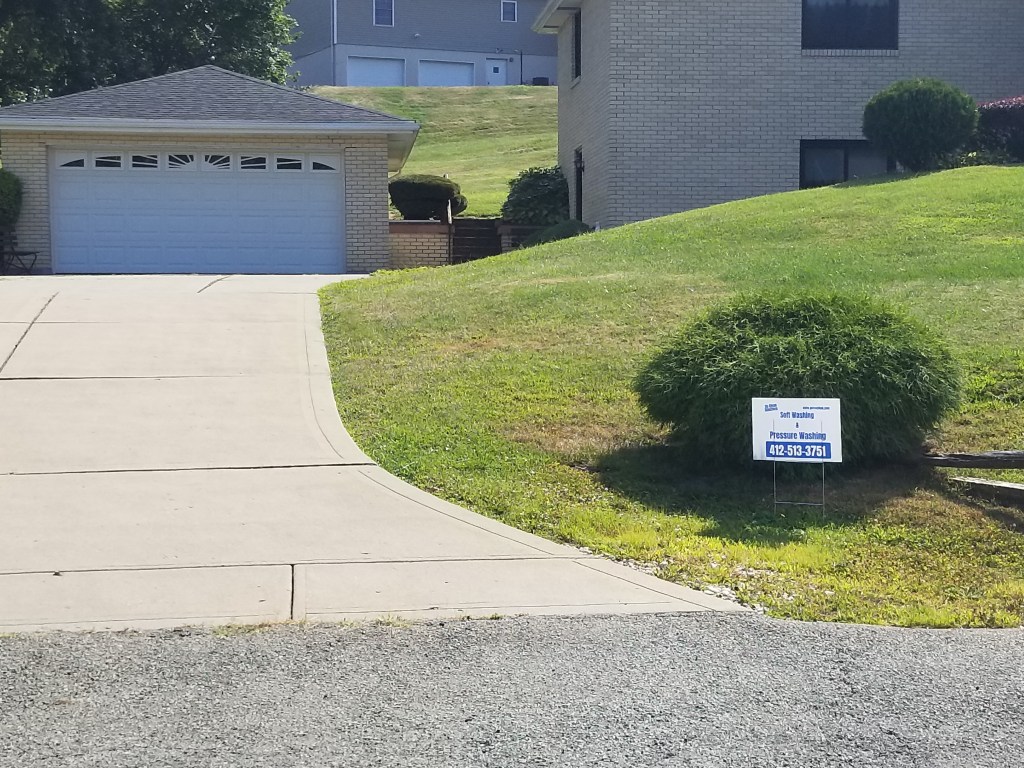
Concrete, pavers, wood, and composite surfaces take a beating in Western Pennsylvania. Between rain, shade, freeze-thaw cycles, and organic growth, exterior hardscapes can quickly become slippery, stained, and unsafe.
One of the most common questions we hear is: Should this surface be pressure washed or soft washed?
In this guide, we explain how different outdoor surfaces should be cleaned in the Pittsburgh area, what methods are safest, and how professional surface cleaning protects both appearance and longevity.
Why Hardscapes Get Dirty Faster in Pittsburgh
Local conditions create ideal environments for buildup:
- Frequent rain and humidity
- Tree cover and shaded areas
- Algae, mold, and mildew spores
- Winter de-icing salts and grime
Left untreated, these contaminants can stain surfaces, create slip hazards, and contribute to premature deterioration.
Concrete Driveway and Sidewalk Cleaning
Concrete is durable—but porous. Dirt, oil, algae, and rust penetrate the surface over time.
Common Concrete Issues
- Green algae and black mold
- Oil and automotive stains
- Rust and fertilizer discoloration
- Chewing gum and heavy traffic buildup
Best Cleaning Method
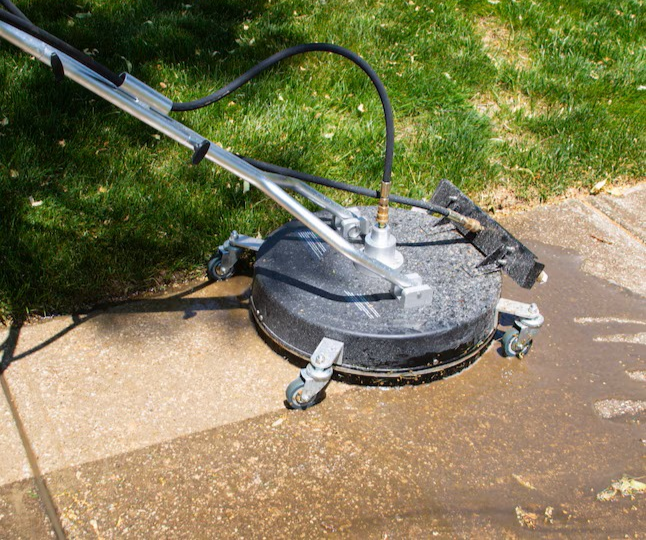
Concrete typically benefits from professional pressure washing using surface cleaners, combined with appropriate detergents.
Proper pressure levels and technique are critical. Excessive PSI can:
- Etch concrete
- Create visible lines
- Expose aggregate prematurely
Professional equipment cleans evenly without damage.
Paver Patio and Walkway Cleaning
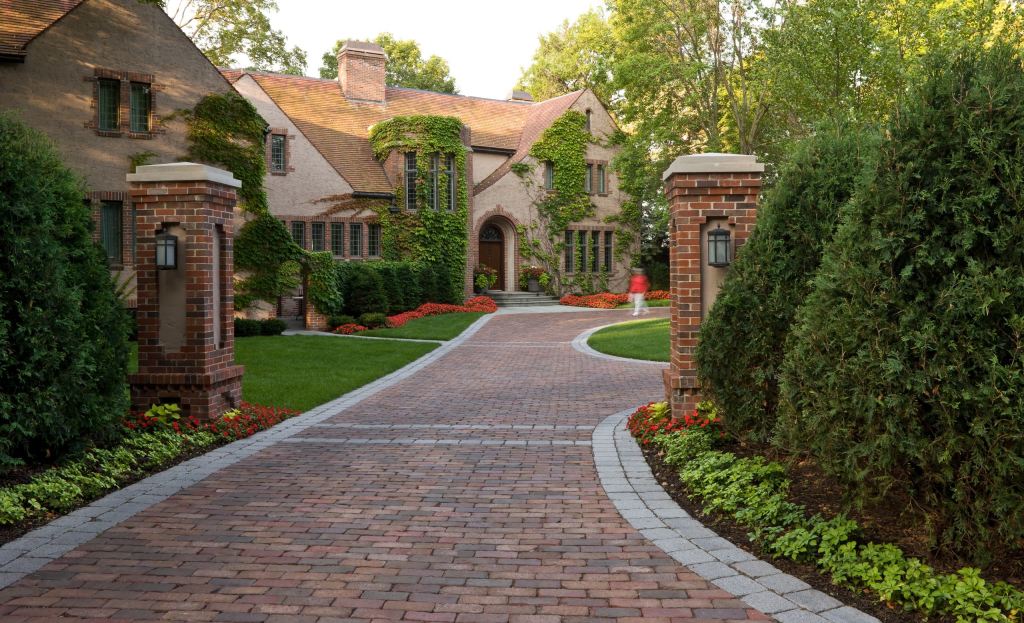
Pavers require a more controlled approach than plain concrete.
Risks of Improper Paver Cleaning
- Displaced joint sand
- Uneven surfaces
- Accelerated weed growth
Recommended Method
- Moderate pressure
- Pre-treatment and post-treatment solutions
- Optional re-sanding after cleaning
This restores appearance while protecting structural integrity.
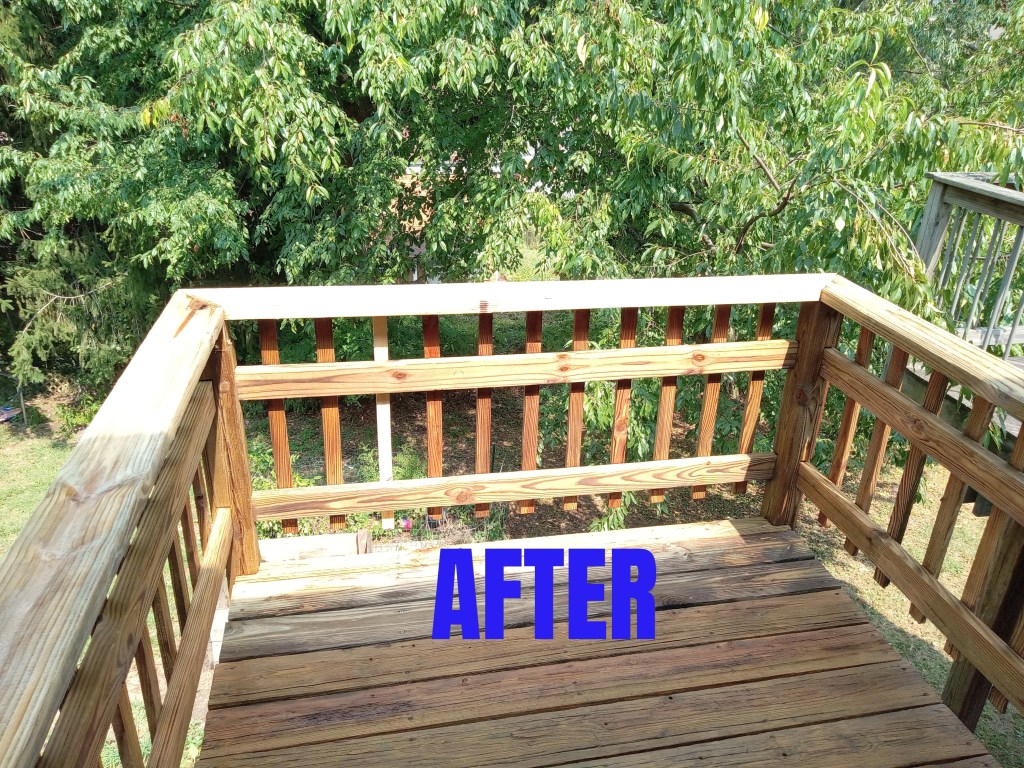
Wood Deck Cleaning
Wood decks are highly sensitive to pressure.
Common Problems
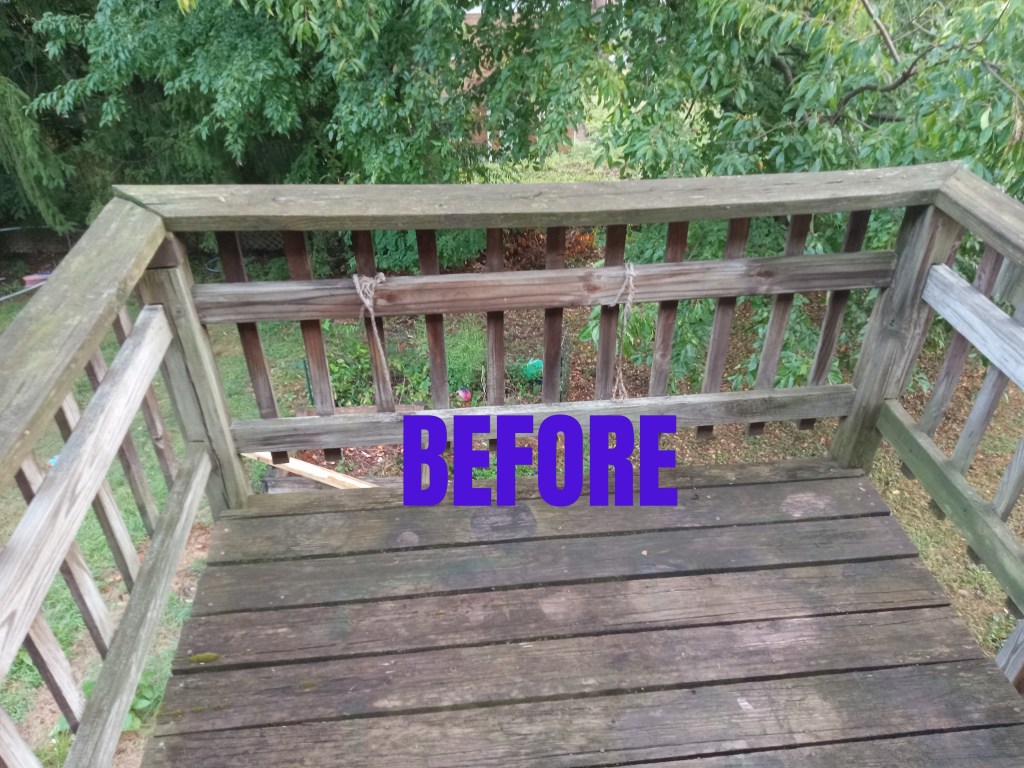
- Gray weathered appearance
- Algae and mildew growth
- Splintering and raised grain
Safe Deck Cleaning Method
Wood decks should be cleaned using low-pressure washing combined with deck-safe detergents.
High pressure can:
- Fuzz wood fibers
- Cause splintering
- Shorten deck lifespan
Soft washing or controlled low-pressure cleaning followed by brightening produces the best results.
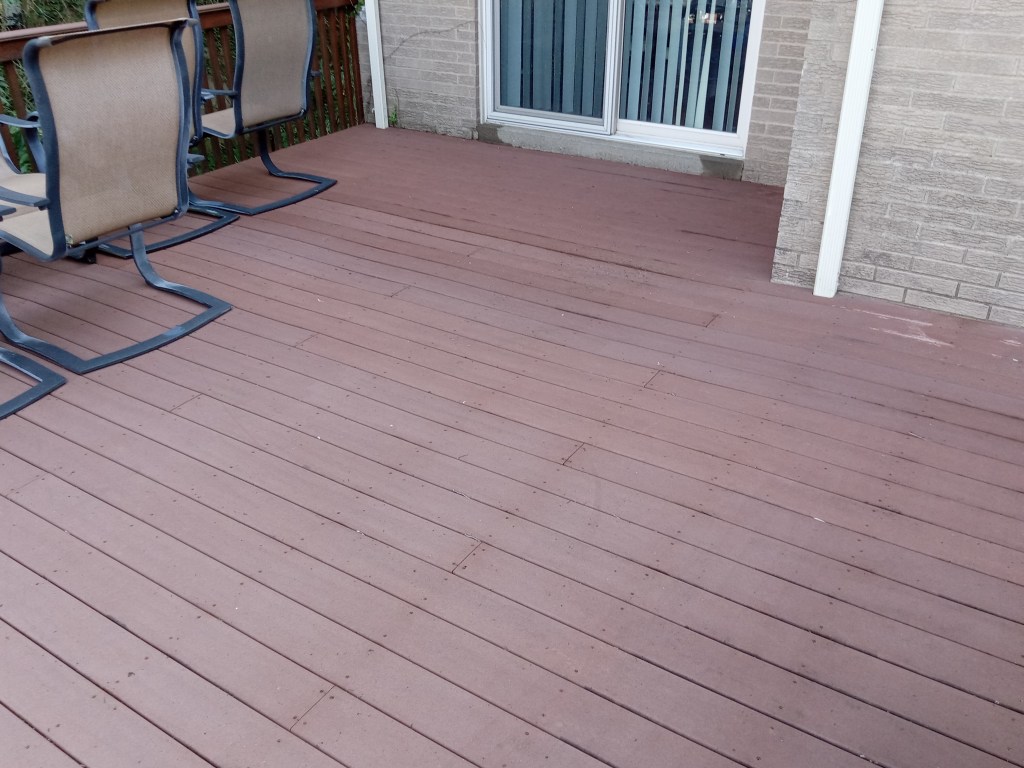
Composite Deck Cleaning
Composite decking is more durable than wood but still vulnerable to damage.
Best Practices
- Low pressure
- Manufacturer-approved cleaners
- Gentle agitation when needed
Avoid aggressive pressure that can scar the surface or void warranties.
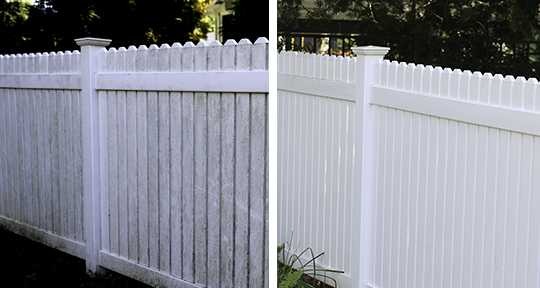
Fence Cleaning (Wood, Vinyl, and Composite)
Fences collect heavy organic buildup due to shade and ground moisture.
Proper Fence Cleaning Methods
- Wood: Low pressure + appropriate cleaners
- Vinyl: Soft washing
- Composite: Low pressure
This restores color and prevents premature aging.
Pressure Washing vs Soft Washing: What’s the Difference?
Pressure Washing
- Uses higher PSI
- Best for hard, non-delicate surfaces like concrete
Soft Washing
- Uses low pressure and specialized solutions
- Kills organic growth at the root
- Best for wood, composite, and delicate materials
Choosing the right method is key to avoiding damage.
How Often Should Hardscapes Be Cleaned in Pittsburgh?
General recommendations:
- Driveways & sidewalks: Once per year
- Decks & patios: Every 1–2 years
- Fences: Every 1–2 years
Shaded or heavily wooded properties may require more frequent service.
Professional Pressure Washing in Pittsburgh
At So Clean Solutions of Pittsburgh, we provide:
- Concrete and surface cleaning
- Paver and patio washing
- Deck and fence cleaning
- Residential and commercial service
Every surface is evaluated before cleaning to determine the safest and most effective method.
👉 Request a Free Pressure Washing Quote


 So Clean Solutions
Leave a comment